
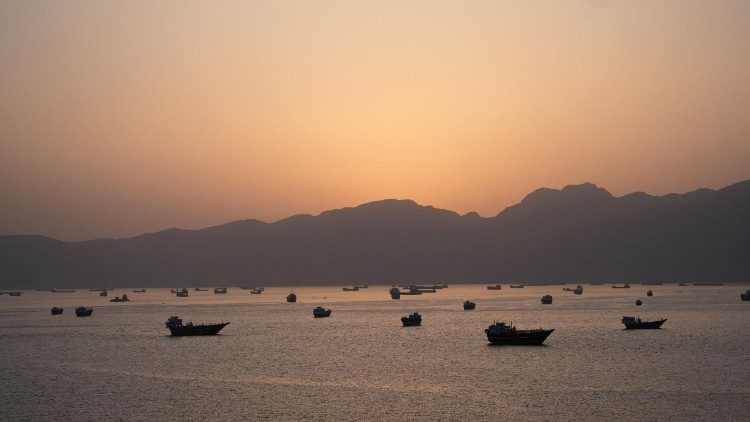
Hormuz crisis could push tens of millions of people into poverty
By Nathan Morley
The escalating crisis in the Strait of Hormuz could push tens of millions of people into poverty, drive a sharp rise in global hunger and potentially tip the world toward recession, the UN Secretary‑General warned Thursday.
Antionio Guterres said restrictions on free passage through the strategic waterway are impeding the delivery of oil, gas, fertilizer and other critical commodities, tightening pressure on an already fragile global economy.
According to UN projections, even an immediate end to shipping and trade disruptions would leave supply chains struggling for months.
Global growth would fall from 3.4% to 3.1%, inflation would rise to 4.4% and trade would slow sharply, adding strain to economies still recovering from the pandemic and the war in Ukraine.
UN agencies are attempting to ease the crisis.
The head of UN Project Services is leading a task force exploring a possible humanitarian corridor, while the International Maritime Organization is developing plans to evacuate ships and crews if safe passage can be secured.
The consequences worsen significantly if Iranian attacks, threats and the U.S. blockade of Iranian ports continue through midyear.
UN estimates show 32 million people could be pushed into poverty, fertilizer shortages would reduce crop yields, 45 million more people would face extreme hunger and years of development gains could be erased.
A worst‑case scenario — with severe disruptions lasting through the end of the year — raises the risk of a global recession with far‑reaching economic, political and social impacts.
The UN chief said the effects of the crisis are accelerating, not accumulating, and warned that prolonged restrictions will make the damage harder to reverse. He urged all parties to restore navigational rights and reopen the strait to stabilize global supply lines.
The economic shock is already spreading.
Brent crude hovered around $118 a barrel Thursday as governments confronted the prospect of fuel and gas shortages. Southeast and South Asia have been hit first, but European motorists are also feeling the strain.
The UN Economic Commission for Europe said the crisis underscores the vulnerability of economies dependent on fossil fuels.
The agency is pushing countries to reduce waste, including the widespread flaring of methane at oil and gas facilities, and to accelerate the shift to renewable energy, which it says offers both environmental and security benefits.
Thank you for reading our article. You can keep up-to-date by subscribing to our daily newsletter. Just click here.


