
Growing concerns over water, sanitation and hygiene in Madagascar
By Nathan Morley
Cyclone Gezani has become the second major storm to strike Madagascar this year, arriving just 10 days after Tropical Cyclone Fytia killed 14 people and displaced more than 31,000. Authorities said that assessments are still underway, but the storm has so far left 38 people dead and 374 injured.
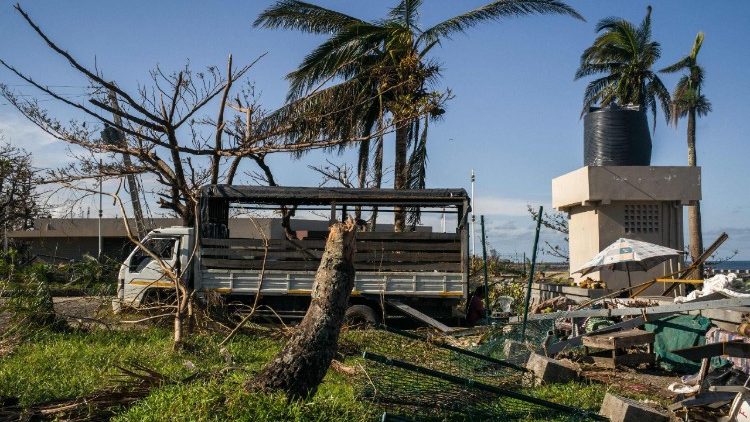
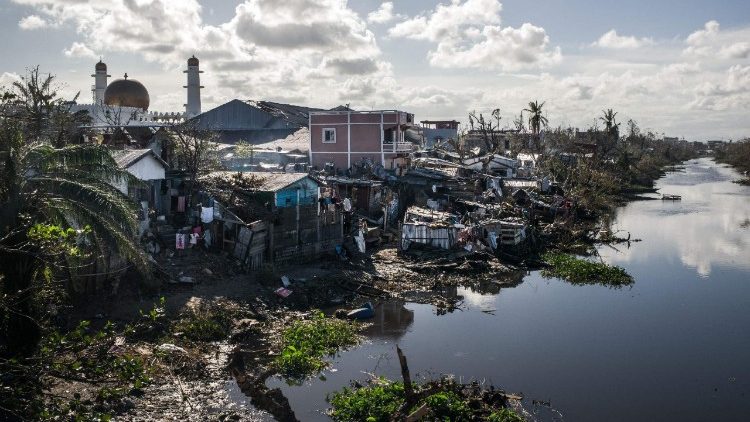
Gezani made landfall Tuesday near Toamasina, the country’s main port, where many victims were killed when homes collapsed, according to the National Office for Risk and Disaster Management. Officials described “total chaos” in the impact zone.
Entire neighborhoods lost power as lines came down, trees were uprooted and roofs were torn away. As many as 250,000 people have been affected or displaced.
Alongside urgent food needs, the United Nations warned of growing concerns over water, sanitation and hygiene, noting that damaged infrastructure and limited access to clean water heighten the risk of disease outbreaks.
Cyclone season in the Indian Ocean typically runs from November to April, with Madagascar experiencing roughly a dozen storms each year.
Thank you for reading our article. You can keep up-to-date by subscribing to our daily newsletter. Just click here.


