
UN: Gaza ceasefire brings hope but children still die
By Pierfrancesco Loreto
Over a million children are benefiting from the ceasefire in Gaza, gaining better food access, but urgent aid is still needed.
Speaking during a news conference at UN headquarters, UNICEF Deputy Executive Director Ted Chaiban said, "I am speaking to you with both hope and concern after this visit," following a seven-day trip to Gaza and the occupied West Bank with World Food Program (WFP) Deputy Executive Director Carl Skau.
"The food security situation has improved, and famine has been reversed," Chaiban stated, as Skau added that most families he met "were eating at least once a day" – sometimes twice.
Following the cessation of major hostilities, aid has increased significantly: more than 1.6 million individuals now have access to clean drinking water, and 700,000 people have received blankets and winter clothes, thanks to UNICEF and its partners.
In addition, the pediatric critical care unit has been restored at Gaza City's Al-Shifa Hospital, and every month the WFP distributes food rations to more than a million people.
Hot meals are being served every day, hundreds of thousands of children in temporary educational facilities are being given school snacks, and other humanitarian organisations have brought in essential shelter and relief items.
Furthermore, tens of thousands of vulnerable households can now receive support through expanded cash assistance.
The situation is still critical
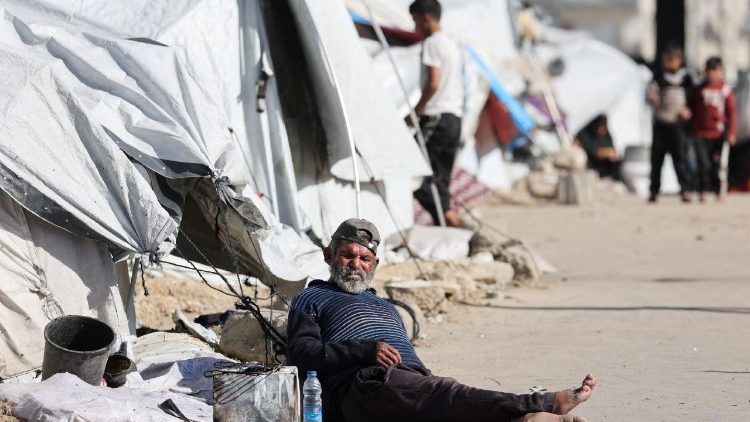
Despite these advances, living conditions for many Gazans remain harsh, with families in makeshift shelters as winter storms batter the area.
The UN officials warned of an ongoing humanitarian catastrophe, with 1.3 million people still displaced and in need of proper housing.
Since the ceasefire, at least 100 children have died, and about 100,00 remain malnourished and need ongoing care.
Since winter began, there have been at least 10 deaths of children due to hypothermia.
Despite the devastation, both officials pointed to instances of resilience, such as children resuming their studies and families striving to restore some semblance of normalcy.
Maintaining a standstill in fighting and securing access for humanitarian actors are the two key factors that will determine further progress, which involves the opening and ongoing operation of several border crossings, as both officials stated.
"The children of Gaza and the State of Palestine, including the West Bank, which is also experiencing a wave of violence, do not need sympathy. They need decisions now that give them warmth, safety, food, education, and a future," Chaiban said, calling on the international community to seize the chance to "change the trajectory" for children in Gaza.
Thank you for reading our article. You can keep up-to-date by subscribing to our daily newsletter. Just click here.


