
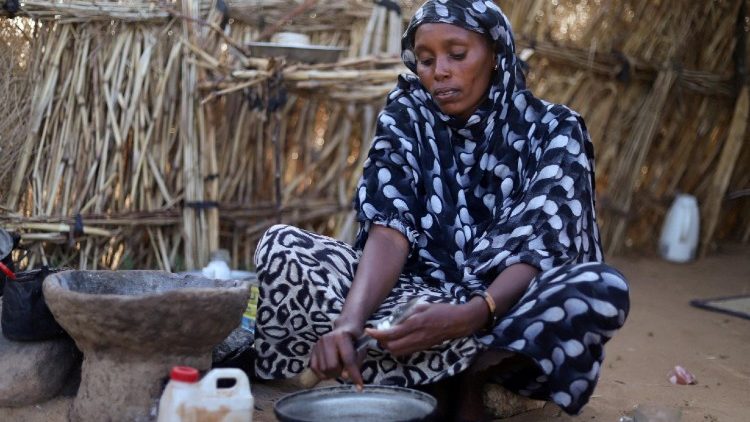
One thousand days of conflict in Sudan: A devastating humanitarian crisis
By Kielce Gussie
Today, Sudan – facing one of the most severe humanitarian crises in the world – marks 1,000 days of conflict, a solemn marker. There, over 33.7 million people are living with an urgent need for humanitarian assistance, “effectively two in three people, and where famine has been declared twice in less than a year” as Caritas Internationalis reported.
Years of crisis
The ongoing violence has led to the collapse of services and work as about 70%-80% of hospitals and healthcare facilities have been made non-operational—leaving around 65% of the Sudanese people without any access to healthcare.
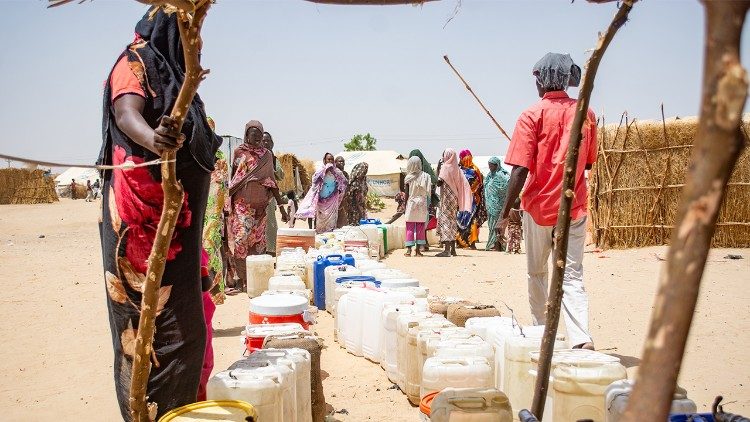
On top of this inaccessibility to care, almost 21.2 million people in the African nation are struggling with high levels of acute food insecurity—one of the world’s largest food crises. The more than 15 million who have been displaced since the outbreak of the conflict in 2023 find themselves making their homes in overcrowded and unsafe shelters and settlements, where hunger and disease run rampant.
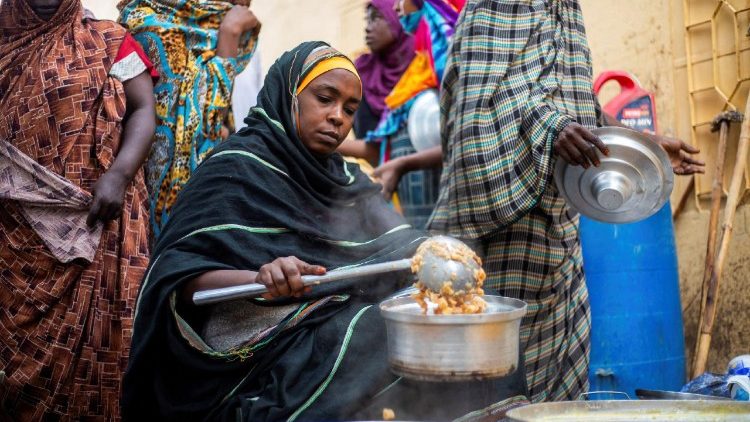
Alistair Dutton, Caritas Internationalis Secretary General, explained that “the brutality and inhumanity of the conflict in Sudan is appalling and famine has been declared for the second time in less than a year.”
The situation also faced a setback as foreign aid was severely cut, limiting the amount and access of humanitarian assistance able to reach those in need in Sudan. Less funds have stripped essential programs of the resources needed to help people feed their families, retrieve clean water, and access basic healthcare.
With the incessant conflict, violence against women has been on the rise. Since December 2023, Caritas Internationalis reported that the demand for services for women skyrocketed by 288%. Survivors are left in desperate need of medical care and trauma support. While there are programs led by women for women, these initiatives receive “less than 2% of the critically-underfunded Sudan Humanitarian Fund (SHF).”
In desperate need of life-saving aid
Caritas and its partners also felt the impact of the global funding cuts. Before, the organization organized support for safe drinking water, hygiene, and protection to a half a million people displaced in the White Nile State, with the assistance of a UNHCR grant.
Dutton stressed that the local Caritas partners in Sudan face “danger, suffering and escalating needs daily that are inconceivable to the rest of us. As Sudan reaches one thousand days of war, the international community must act with urgency to bring about an end to the violence.”
With this grim marker, Caritas Internationalis expressed their support for the #KeepEyesOn Sudan campaign to draw attention to the situation in the country and to the efforts within to provide aid and basic necessities to those in need.
Caritas released a press statement offering recommendations to governments, together with the endorsements of other humanitarian agencies, on how to help the Sudanese people.
These include increasing diplomatic efforts, including through the UN Security Council; an emphasis on the protection of civilians, aid workers, and local first responders; getting rapid and safe humanitarian aid throughout the country; increasing funding, particularly to local aid organizations; and encouraging and supporting a regional response to the conflict.
The international community must act now, as Caritas Internationalis and other aid agencies stressed, “to prevent further catastrophe in Sudan.”
Thank you for reading our article. You can keep up-to-date by subscribing to our daily newsletter. Just click here.


