
Over a million still need help a month after Sri Lanka cyclone
By Pierfrancesco Loreto
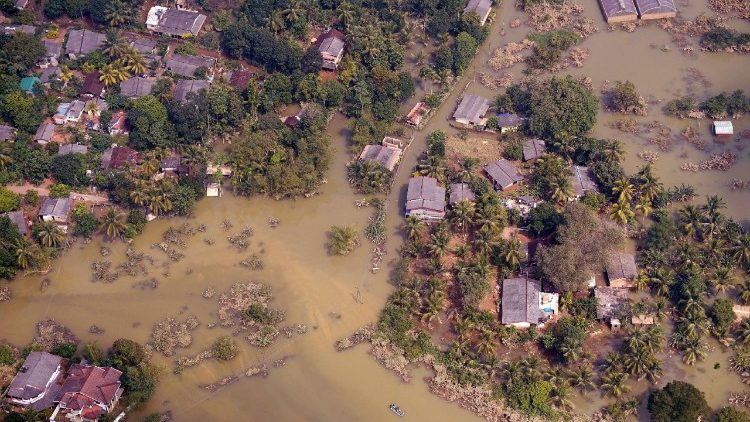
Nearly a month after Cyclone Ditwah devastated Sri Lanka, over a million people still require urgent help, as inundations and prolonged rain continue to aggravate the situation.
The cyclone struck the country’s eastern coast on 28 November, causing 643 deaths and 183 people missing.
As of today, the UN warns that about 1.8 million Sri Lankans are still dealing with the consequences of the disaster, with two-thirds of them in need of humanitarian assistance, including nearly half a million children.
Local authorities and relief workers confirmed widespread destruction across all nine provinces, with significant disruption to public services and increased risks for the most vulnerable.
In addition, about 30 per cent of families are reportedly reducing their food intake as hunger looms.
According to recent World Bank estimates, property damage could reach nearly $4.1 billion — around 4% of the country’s GDP.
Yet, post-disaster recovery and needs are expected to be much higher.
A long road to recovery
As reported by the UN Children’s Fund (UNICEF), serious shortcomings in child protection, education, and nutrition are becoming evident. There are also difficulties in using water, sanitation, and hygiene (WASH) services.
Numerous children are still displaced in temporary shelters or are living with host families, where they lack adequate lighting, privacy and hygiene.
Education has been heavily affected. Over a thousand schools and six universities were damaged, while around 500 schools are currently being used as accommodation centres.
Recently, students have been transferred from damaged schools to nearby active establishments. Still, humanitarian organisations point out that modular classrooms will be needed in different parts of the country to minimise disruption to the educational system.
The International Organisation for Migration (IOM) calculates that nearly 300,000 people are currently unable to live in their own properties. Some of them are hosted by locals, while others are taking shelter in schools, places of worship and temporary dormitories.
Sri Lanka received considerable emergency provisions from several global players, such as China, the US and the EU. Those same institutions promised funding to support the recovery process.
Following a request by the Sri Lankan government, UN agencies and humanitarian partners launched a Humanitarian Priorities Plan this month, seeking $35.3 million to provide relief to those in greatest need.
Humanitarian agencies stress that without sufficient financial backing and constant support, the road to recovery will be long.
Thank you for reading our article. You can keep up-to-date by subscribing to our daily newsletter. Just click here.


