
COP30: Ode to the Amazon
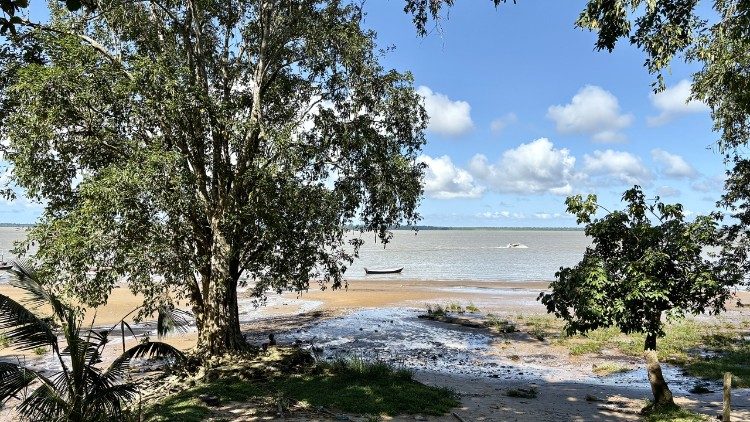
The world’s largest rainforest - home to more species of plants and animals than anywhere else on Earth - is opening its doors, giving humanity a chance to do right by the planet that hosts it. As we walk through the rainforest, we are humbled, as it reminds us that it is the heartbeat and the lungs of our planet.
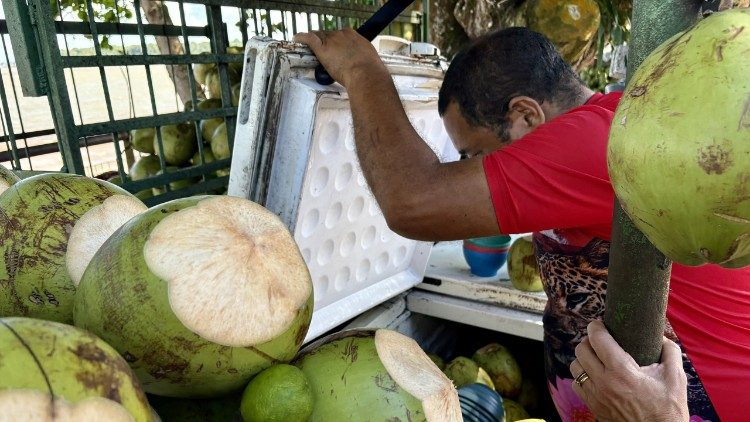
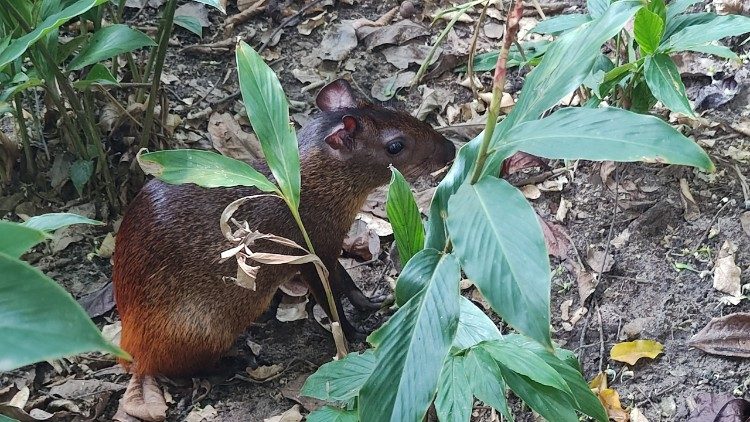
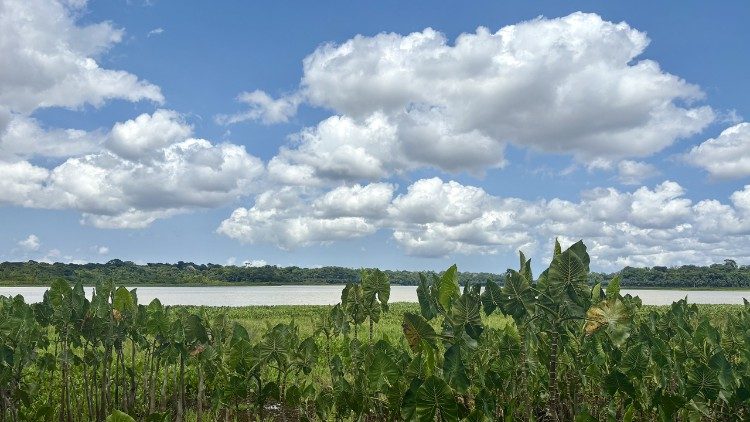
Here in Belém, “the gateway to the Amazon”, life moves in time with nature. The air is thick with humidity, sudden tropical showers fall, followed by the hum of insects and the call of birds. Vultures circle above, herons perch on the riverbanks, and capybaras wander through the green patches that break the city's skyline. Coconut water stalls line the streets, purple açaí leaves a natural liner around the lips of the men, women and children who eat it - with their fish or in their milkshakes. Even amongst the hustle and bustle, as the streets fill up, Belém is very clearly inseparable from the forest that cradles it.
The city is charged with music - carimbó beats fill its streets. In the markets and along the docks, speakers play songs such as Dona Onete’s “No Meio do Pitiu”, filmed here in the city’s historic centre. Her lyrics speak of the stark black vultures and the pale white herons - creatures living, as their city does, in contrasting harmony. It’s a reminder that in the Amazon, coexistence is not just a theme but the only way of being.
Some, long before us, learned this lesson more deeply than anyone: the Indigenous peoples who have called the Amazon home for millennia. They have watched outsiders come and go, have seen the forest cut, burned, and sold - its madeira (wood) and its animals turned into profit. Yet they remain its guardians. The Amazon spans nine countries, sheltering around 400 Indigenous groups who speak over 300 languages. Their presence at the United Nations Climate Change Conference, COP30, represents not only the voice of the forest, but of all who live close to the earth and who suffer its neglect - women, the elderly, the poor, those living in conflict or displacement - the people most vulnerable to the changing climate.
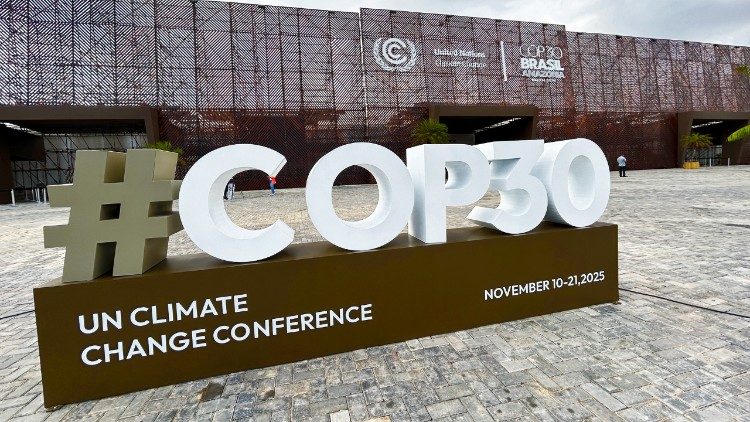
And now, for the first time, the world has come to them. Here, at the meeting point of the river and the ocean, the COP30 begins: a global two-week-long gathering, right off the edge of the world’s greatest tropical forest.
The Amazon, however, represents all ecosystems under strain: from melting glaciers to disappearing coral reefs, from drought-hit savannahs to flooded deltas. Protecting it means protecting every corner of a planet under pressure.
For Brazil, hosting COP30 in Belém is deeply symbolic. President Lula da Silva has described it as a call for the Global South to take its rightful place at the centre of climate discussion - a reminder that the Amazon’s preservation is not a regional responsibility, but a global one. The conference will focus on translating the promises of the Paris Agreement into concrete action, particularly for developing nations, seeking to balance environmental protection with economic justice, and the wealthier nations that have the power and resources to bring this justice.
This is the first COP ever to take place in the Amazon region, and while its setting is symbolic, its matters and focus are global.
From the 10th to the 21st of November 2025, world leaders will negotiate how to accelerate emissions cuts, scale up climate finance, and adapt to a world that’s already warming. But on the other side of the official walls, across the city, there will be hundreds of side events and forums on topics from renewable energy to food security and ocean protection.
One of the somewhat quieter conversations concerns moral responsibility. Representing the Holy See just prior to the opening of COP30, at the leaders’ summit on 7 November, Vatican Secretary of State, Cardinal Pietro Parolin, reminded delegates of Pope Leo XIV’s message: “If you want to cultivate peace, care for creation.” Cardinal Parolin reminded world leaders that the climate crisis is not only a question of technology or finance, but of justice and solidarity - pointing out that ‘those in the most vulnerable situations are the first to suffer,’ and he called for COP30 to become ‘a sign of hope’ in a world already ‘in flames’ from both environmental and human conflict.
His words echoed those of Pope Francis in Laudato si’, who wrote that “we have no such right” to destroy creation, reminding us that humanity’s vocation is not to dominate the earth but to till and keep it - to care for the world and for every creature that shares it with us.
The message is clear: caring for the planet is inseparable from caring for one another.
As delegates gather in Belém over the next two weeks, the world will watch for commitments that can bring together words and action, pray for funding that reaches the communities protecting the world's organs, and hope for agreements that honour both people and planet.
Thank you for reading our article. You can keep up-to-date by subscribing to our daily newsletter. Just click here.


