
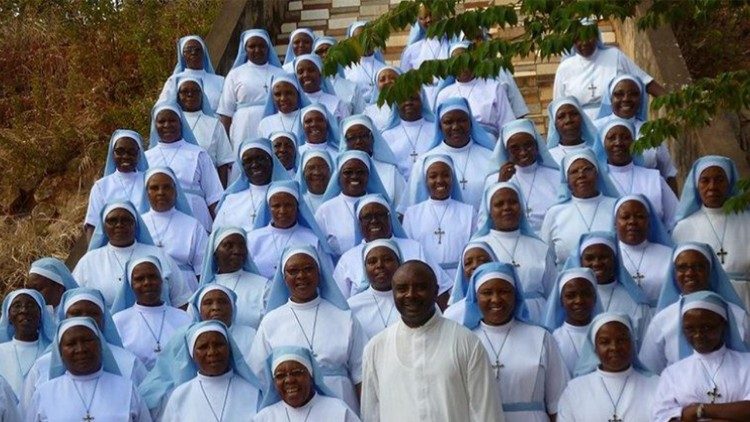
Tanzania: Religious women evangelize through Television and social media
By Sr. Ernestina Patrick Lasway SAC and Sr. Christine Masivo CPS
Founded in 1954 by Monsignor Eugen Arthurs of the Rosminian Fathers, the COLU Sisters are a diocesan congregation rooted in evangelization and education. In 1958, Msgr. Arthurs became the first Bishop of the Catholic Diocese of Tanga. The sisters were initially formed by the Missionary Sisters of the Precious Blood (CPS), and their first General Superior was Sr. Willibalda Giesbers.
The congregation began its mission in Rangwi and later moved to Korogwe, Kwamndolwa, in Tanga, while Rangwi remained the original mother house. Over time, their apostolate has focused on education at all levels—from kindergarten to college—as well as catechesis and youth formation.
A new path for evangelization
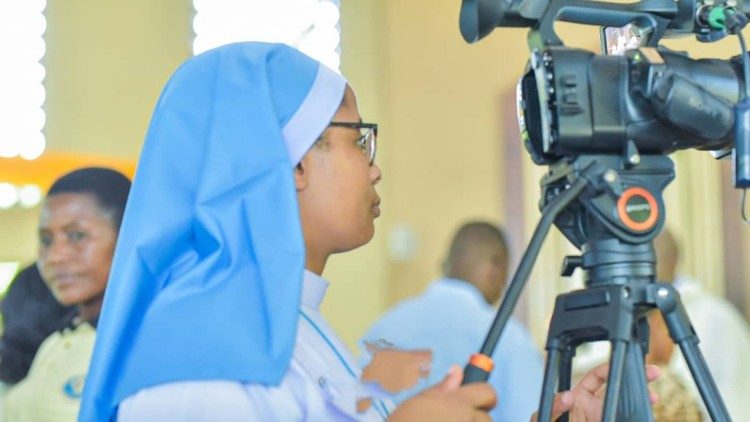
In response to the changing times, the sisters discerned the need to reach people through modern means of communication. This led to the establishment of Usambara Mountain TV (UMTV) in July 2024 in Lushoto, in the Tanga region.
The initiative aims to offer content that supports evangelization, education, and dialogue on matters of faith. “Through television and the internet, we are able to reach people far beyond our immediate communities,” said Sr. Paulina T. Mshana, director of UMTV. “This strengthens our mission to share the Gospel and encourage people, especially young people, to know and love God more.”
Many young people follow UMTV through social media platforms and YouTube, where the channel offers programs focused on youth, faith, and social issues, including initiatives inspired by the spirituality of Don Bosco.
Content and outreach
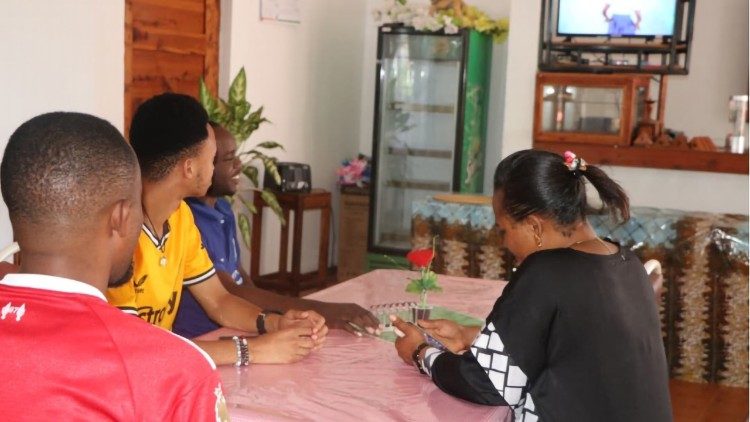
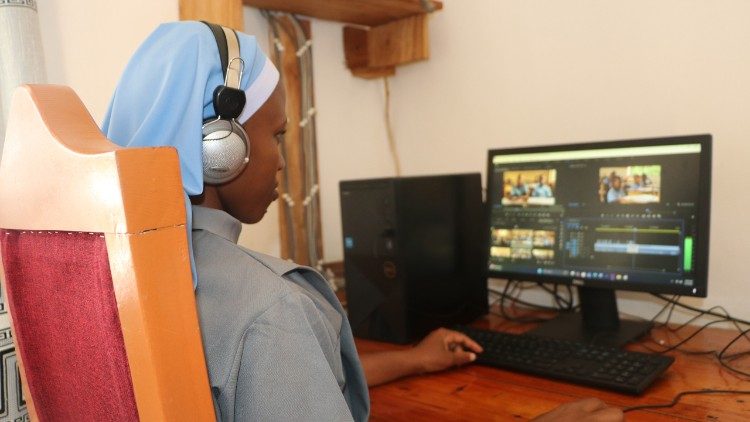
UMTV broadcasts a variety of programs, including catechetical teaching, reflections on faith, and discussions on youth and society. Through these initiatives, the sisters seek to make their charism and mission more visible in a media landscape that increasingly shapes daily life.
Since its launch, the platform has reached a wide audience both locally and internationally, particularly among young people online. This growing engagement reflects a desire for content that combines education, reflection, and accessible communication.
Sr. Paulina notes that working in media allows the congregation to reach communities where they are not physically present. “I am happy to be involved in this work, even if many people still think that operating a camera is a man’s job. Sisters, too, can take on this role and communicate the Gospel to the wider community,” she said.
Collaboration and impact
The initiative has also benefited from collaboration with other members of the Church. Br. Lucas Masasi OFM Cap, one of the contributors to UMTV, highlighted the importance of the project in promoting faith-based content and supporting learning at different levels. He has followed its development from a simple YouTube channel to a more structured television platform.
Through its programming, UMTV contributes to education within local communities, offering content in areas such as culture, music, spirituality, and basic life skills, accessible even from home.
Challenges and limitations
Like many new initiatives, UMTV faces practical challenges. Limited equipment and financial resources make daily production demanding, while access to reliable internet and the cost of digital devices remain obstacles for many viewers.
Power outages also affect the regularity of broadcasts, as the lack of adequate backup systems can interrupt operations. In addition, not all members of the congregation initially recognized the importance of media for evangelization, requiring ongoing formation and awareness within the community.
Looking ahead
Despite these challenges, the sisters remain committed to using media as a space for evangelization and formation. Their goal is to reach a broader audience and to help young people engage more consciously with digital tools in their search for meaning and faith.
Inspired by the words of the Gospel—“The harvest is plentiful, but the labourers are few; therefore ask the Lord of the harvest to send out labourers into his harvest” (Lk 10:2)—the sisters continue their mission of making Christ known through television, social media, and educational content.
Thank you for reading our article. You can keep up-to-date by subscribing to our daily newsletter. Just click here.


