
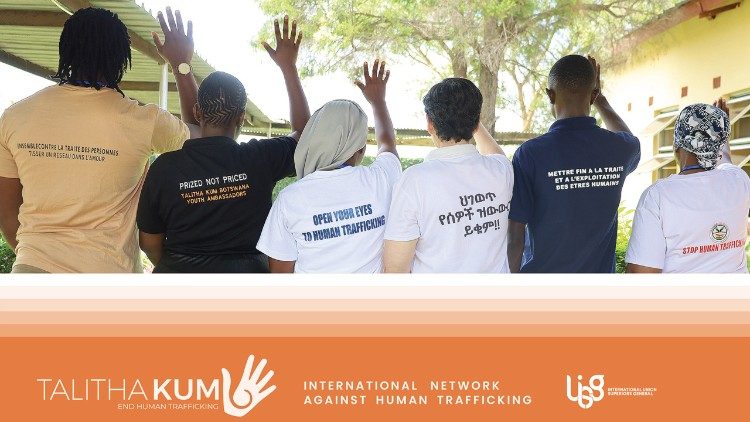
Human Trafficking in modern-day: No one should be treated as a commodity
By Kielce Gussie
While “traditional” chattel slavery has been legally abolished, about 50 million people find themselves trapped in modern-day slavery.
Moreover, these practices of human trafficking and other forms of exploitation are a massive money-making scheme, generating $236 billion in illegal profits each year, according to the International Labour Organization (ILO) and the International Organization of Migration (IOM).
Rather than slowing down in an ever-growing modern world, “this issue of human trafficking is increasing in a complex way,” Sr. Abby Avelino, MM, International Coordinator of Talitha Kum stressed to Vatican News ahead of World Day Against Trafficking in Persons on July 30. This year's theme is "Trapped Behind the Scam."
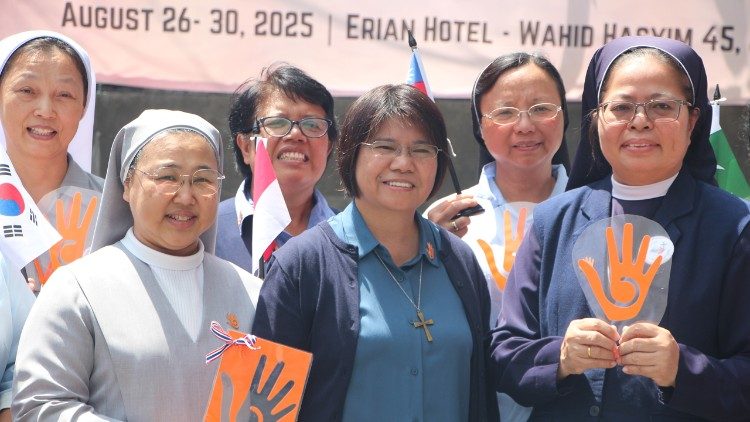
Prior to the World Day, the international sisters-run network Talitha Kum released its 2025 Annual Report, outlining how they reached 1.21 million people around the world over the last year—a 29.6% increase from 2024.
Yet, even with the growing reach of Talitha Kum, the mission of ending human trafficking remains urgent as numbers are on the rise across Europe and Asia.
Pros and cons of technology
The 2025 Annual Report reveals human trafficking growing hand-in-hand with the rise of new technologies: online exploitation and scams have become a 21st-century means of ensnaring people.
“Many of the survivors that we encounter are being trapped on this issue of the complexity of the digital platforms,” Sr. Abby highlighted.
Survivors share stories of promises and recruitments online. Yet, when they arrive at the location, the job is fake, their passport is taken, and their freedom stripped.
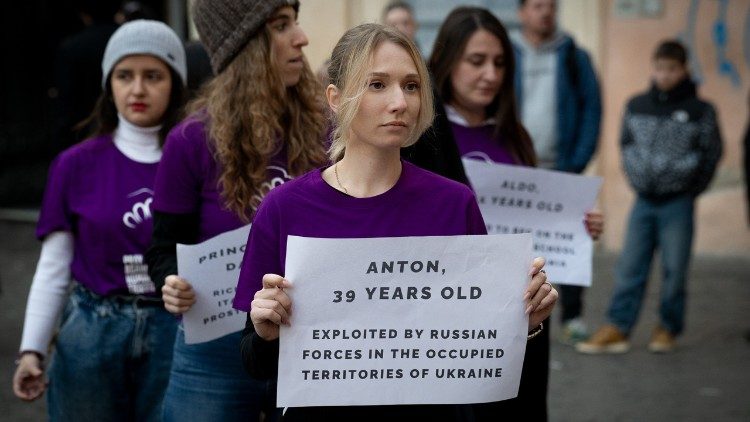
“This is the trend right now,” Sr. Abby explained. “The digital platform is being used by criminal organizations to trap young people because young people really would like to find better futures, better jobs.”
She is not the only advocate identifying the connection in online threats. The Director General of the International Organization for Migration, Amy Pope, spoke at a press briefing on July 28 about the increase in cases of online scam centers, “with victims from over 80 different countries, particularly across Asia.”
Pope explained the magnitude of human trafficking is immense. The New United Nations Office on Drugs and Crime (UNODC) reports billions of U.S. dollars in combined annual losses from scam offences. Across East Asia, Southeast Asia, Australia, and New Zealand, scam compounds are thought to have hundreds of thousands of trafficked workers.
Combatting the scams
One way Talitha Kum is working to fight these scams is by educating the very people who are the targets of online trafficking—young people. “We are trying to mobilize our network to educate not only young people, but anyone who can be trapped on these digital platforms,” the International Coordinator noted.
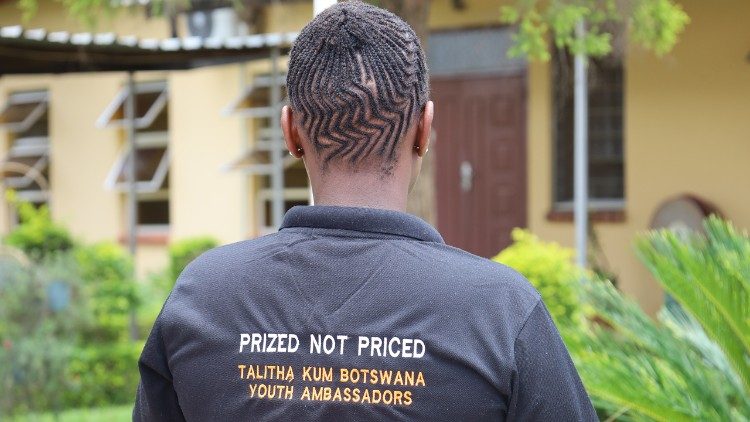
Through Talitha Kum’s Youth Ambassadors program, Sr. Abby said young people are trained and taught about human trafficking, how to identify it, and how to face it. Then, these ambassadors are sent out in their local communities and countries to help their peers do the same.
As traffickers have turned to using social media platforms, Talitha Kum in turn wants to counteract this through the same platforms. The network has created social media accounts, TV, and radio programs to educate the public about the dangers of human trafficking online.
Part of the solution
While the 2025 Annual Report dives into a number of areas regarding trafficking—from prevention and supporting survivors to access to justice, partnership and advocacy—Sr. Abby highlighted one in particular: support for the survivors.
Survivors are part of the solution. “It is not about rescuing,” she stressed. “We also need to give a platform to the survivors, for their needs, for opportunities, and for ongoing accompaniment in a really sustainable way.”
Together with this “survivor-centered approach”, Sr. Abby called for systemic change, which means addressing the root causes of the crime of human trafficking—why people fall into the trap and relocate to find a better future.
“People move because of poverty. People move because of inequality. People really move because of conflict. This is why we need to walk together in order to really build a world without human trafficking,” the International Coordinator stressed.
But the work to end this crime starts from the grassroots level, especially because, as Sr. Abby highlighted, the “global trend of traffickers is getting complex.” Therefore, prevention, advocacy, support for the survivors, and protection are essential.
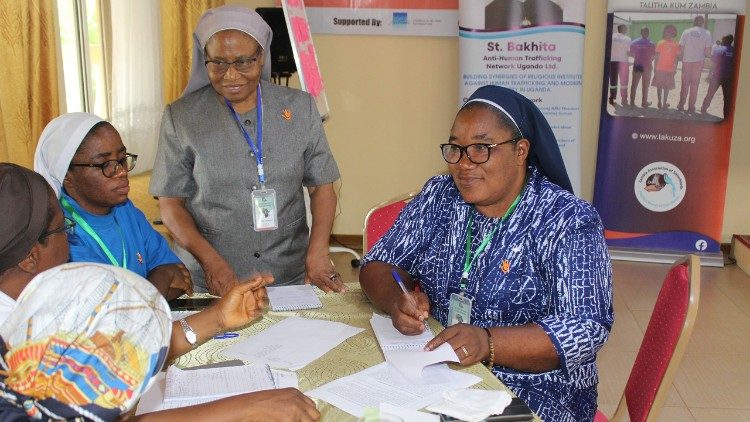
Yet, more than that, she argued people everywhere and from all walks of life must call on local and world leaders to address the root causes perpetuating human trafficking.
Education is key
While an end to this crime is possible, it cannot be done by one person, one country, or one network alone. Education is one of the keys that will unlock the door.
“Even children, as young as possible, need to learn how the issue of human trafficking is spreading, not in the global context, not in the local context, but also in any aspect, on any level,” the International Coordinator argued.
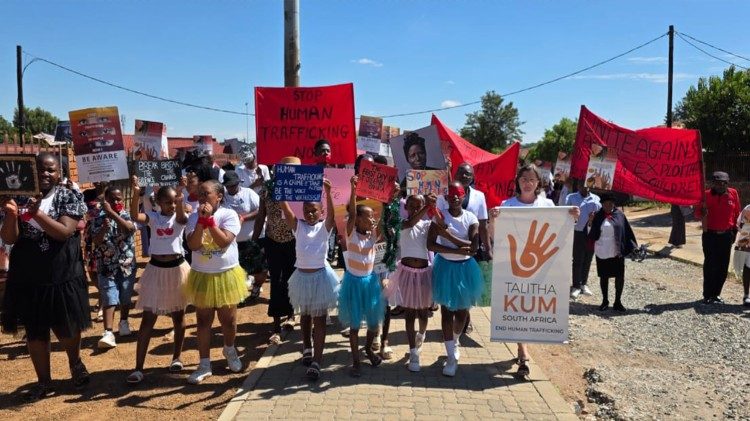
What is also essential to bringing an end to this global crime is recognizing that beyond the numbers, beyond the data are people, stories, and lives impacted. This is why working together is at the core of the mission of Talitha Kum.
This is at the heart of the mission of Talitha Kum: “No one is ever treated as a commodity.”
Thank you for reading our article. You can keep up-to-date by subscribing to our daily newsletter. Just click here.


