
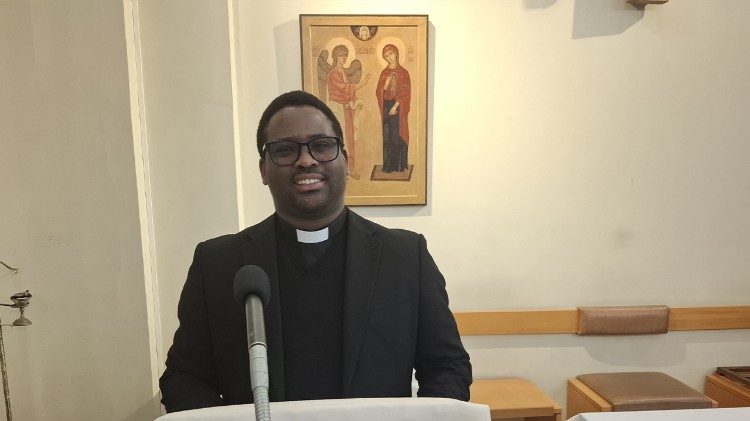
Ecumenism at Bossey is not only taught in the classroom. It Is lived, says Rev. Dlamini
Paul Samasumo – Vatican City
Reverend Ntobeko Dlamini of Durban, a major city on the eastern coast of South Africa, is currently pursuing a Master of Advanced Studies in Ecumenical Studies at the prestigious Ecumenical Institute Bossey in Switzerland. Bossey Institute is part of the World Council of Churches and is affiliated with the University of Geneva.
Commemorating Week of Prayer
Speaking on the sidelines of a visit by the Bossey Institute students to Rome, Reverend Dlamini emphasised the importance of engagement, unity, and understanding among Christians—especially in a world showing tendencies toward division and conflict.
“It is very interesting that we celebrate this week of Christian unity here in Rome. We came here as a group of Bossey students from different Christian confessions. It is important for us because unity is the will of God. And it is Jesus Christ who prayed for unity in John 17: ‘That all may be one...’ In the Bible, we also see the apostles together, united when the Holy Spirit descended upon them as found in the Book of Acts. The early church was once united. It is unfortunate that over the years, divisions have caused the plurality of churches we see today. Fortunately, the ecumenical movement today has awakened to the realisation that visible unity—the will of God—is beginning to come to fruition. I commend the work being done by the World Council of Churches, especially at Bossey, where students and ministers from different denominations worldwide explore how we can live out this unity—this visible, organic unity,” Reverend Dlamini told Vatican News.
Example of the Nicene Creed anniversary
Reverend Dlamini also called upon Christians worldwide to emulate the leaders of various denominations who concretely demonstrated this unity late last year, on 28 November 2025, in Iznik, Turkey (ancient Nicaea), during the 1,700th anniversary of the Council of Nicaea. Pope Leo XIV, Ecumenical Patriarch Bartholomew I, and approximately 27 other Christian leaders gathered as one for this historic event, which will forever be remembered as a significant milestone in ecumenical history. It highlighted the shared faith and the foundational role of the Nicene Creed, established in 325 AD.
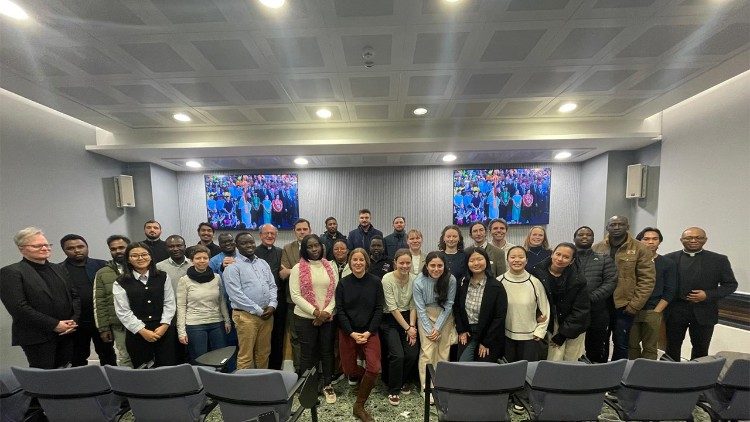
What does the Ecumenical movement mean to Reverend Dlamini as a Methodist minister serving the church in South Africa?
“We saw the leaders of the world’s communions reciting together the Creed of Nicaea. That was very beautiful. It is an indication that the Holy Spirit is indeed leading us toward visible unity. For me, as a Methodist minister—especially in the context of South Africa and its history—it is essential to remain engaged in this work. South Africa, my home country, has experienced segregation. Even after 30 years of democracy, we still witness segregation within our churches. We are still working toward integrating our own churches,” Reverend Dlamini emphasised.
Overcoming cultural challenges
When asked about living daily life alongside people from different denominations at Bossey, Dlamini shared insights into navigating the rich tapestry of national and cultural diversity among students.
“At Bossey, I have had the opportunity to study alongside priests from the Eastern Orthodox and Oriental Orthodox traditions and other Churches. Bossey is very helpful in fostering intercultural integration, where you learn about other denominations and their cultures,” Dlamini explained.
Inevitably, challenges arise. “Sometimes we do frustrate each other, but what matters the most is how we reconcile. In short, at Bossey Institute, you learn to live with those who are different from you. Ecumenism at Bossey is not only taught in the classroom but also lived out. That, for me, is so wonderful,” Reverend Dlamini concluded.
Thank you for reading our article. You can keep up-to-date by subscribing to our daily newsletter. Just click here.


