
Gaza faces surge in rodent-borne disease
By Linda Bordoni
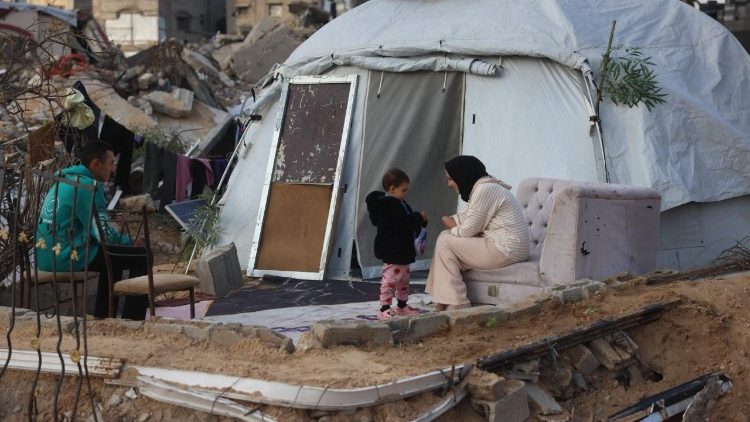
In the Gaza Strip, where families continue to endure the consequences of war that killed more than 75,000 people, displaced over 90 percent of the population and caused massive destruction, even after the signing of a fragile peace agreement in October 2025, doctors are now confronting another growing emergency: a widespread rodent infestation that is triggering infections and deepening an already catastrophic humanitarian crisis.
According to the World Health Organisation, more than 70,000 cases of ectoparasite infections and rodent-borne illnesses have been recorded in Gaza since the beginning of 2026. Health workers say the collapse of sanitation systems, mountains of rubble, overflowing sewage and overcrowded displacement camps have created fertile conditions for disease to spread.
Yet despite repeated warnings from humanitarian organisations, the crisis has received little international attention as Gaza’s exhausted population struggles to survive in increasingly dangerous conditions.
Speaking to Caritas Jerusalem, a doctor working in Gaza, who requested anonymity for security reasons, described scenes of growing fear among families forced to sleep in damaged buildings and makeshift shelters where rats move freely at night.
Surge of rodent bite cases
The doctor recalled one of the first serious rodent bite cases he encountered around six weeks ago. “A colleague of mine called me at midnight to ask what we needed to do for his brother, who had been bitten by a rat while asleep,” he said.
The 35-year-old man was living in a partially destroyed building surrounded by rubble and waste. The bite, on his left index finger, required emergency treatment including cleaning of the wound, antibiotics and tetanus immunisation.
The doctor explained that such cases are no longer isolated. “About 10 cases of bitten patients visit the emergency department every night,” he said, citing information from colleagues working in hospitals that remain operational.
He described how rodents emerge after dark, moving through the streets and displacement camps. “I regularly see and hear rats, among garbage and sewage, all around my house at night,” he said.
Danger of contamination
Doctors warn that the danger extends far beyond the bites themselves. Rodents are contaminating food supplies, chewing through tents and increasing the risk of diseases such as leptospirosis, hantavirus pulmonary syndrome and rickettsial infections.
However, Gaza’s health system — weakened by months of conflict and shortages — is struggling to respond. “There is a 50% shortage of consumables and essential antibiotics,” the doctor explained. “We can treat uncomplicated bites, but we find it difficult to diagnose and treat rodent-borne infections.”
He noted that anti-rabies vaccines and serum are unavailable, while laboratories lack the equipment and reagents needed to confirm infectious diseases.
“Doctors rely on clinical findings and clinical judgment,” he said. “PCR equipment is unavailable in the Gaza Strip.”
Destruction of infrastructure and lack of public services
The doctor stressed that the worsening infestation is directly linked to the destruction of infrastructure and the absence of basic public services. He called for urgent international action to remove rubble, restore sewage systems, improve waste disposal and provide clean drinking water.
“Families and children are too afraid to sleep at night for fear of being bitten by rats,” he said.
Humanitarian agencies have repeatedly warned that Gaza’s civilian population remains trapped in desperate conditions despite the reduction in large-scale fighting. Vast areas remain in ruins, access to healthcare is severely restricted, and shortages of medicine, fuel and sanitation supplies continue to place civilians at risk.
Hope for recovery and the future
For the doctor, recovery will require far more than emergency aid alone. “Above all, I hope for a strict ceasefire and peace to prevail,” he said.
He appealed for long-term reconstruction that includes environmental protection, restoration of hospitals and laboratories, investment in healthcare workers and renewed access to education.
“None of this is optional,” he said. “These are the foundations of a functional healthcare system, without which preventable deaths will continue.”
Despite the devastation, he concluded with an appeal for Gaza’s younger generation: “They are the future,” he said, speaking of Gaza’s young people and children, “and they deserve one.”
Thank you for reading our article. You can keep up-to-date by subscribing to our daily newsletter. Just click here.


