
Gaza’s humanitarian emergency drags on
By Nathan Morley
In recent weeks, UNRWA has reported sharp increases in skin diseases, including scabies and chickenpox, along with a rise in illnesses linked to widespread rodent infestations.
The agency said overcrowding, collapsed water and sanitation systems, and deteriorating environmental conditions are driving a growing rat population across displacement sites.
Nearly 90% of Gaza’s water and sanitation infrastructure has been destroyed or damaged, leaving about 80% of residents dependent on water trucking.
Despite severe shortages of fuel, supplies and equipment, UN teams continue to provide drinking and domestic water to more than half of the population.
The World Health Organization said more than 1,800 health facilities are partially or completely destroyed, including major hospitals, primary care centers, clinics, pharmacies and laboratories.
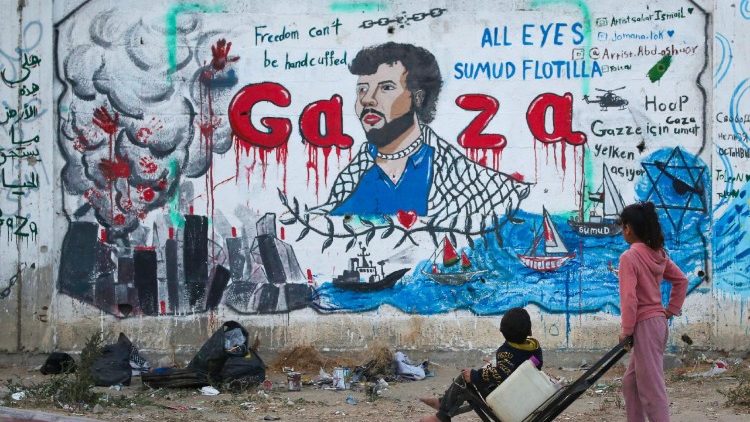
Most Palestinian families remain displaced, living in tents amid rubble and relying almost entirely on humanitarian assistance for basic needs.
Thank you for reading our article. You can keep up-to-date by subscribing to our daily newsletter. Just click here.


