
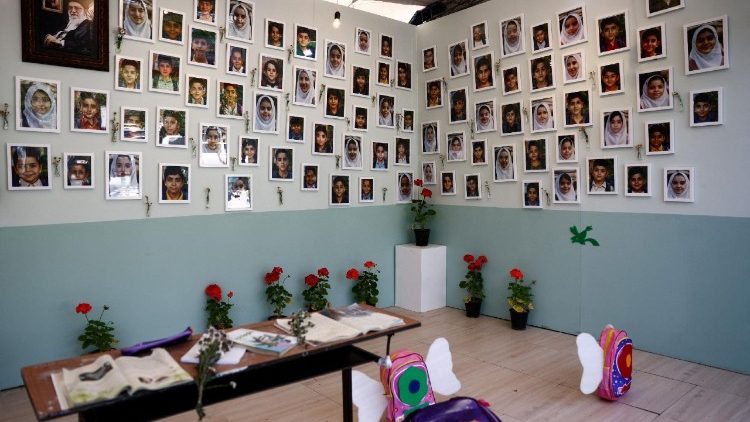
UNICEF in Iran: Despite ceasefire, violence will have lasting effects on children
By Kielce Gussie
In the wake of the two-week cessation of attacks agreement between Israel, the U.S., and Iran, UNICEF is ramping up its aid to help the tens of thousands of children impacted by the conflict. Since February 28, more than 1,100 children have been reported injured or killed in the violence—including 200 killed in Iran, 91 in Lebanon, 4 in Israel, and 1 in Kuwait.
As UNICEF joins the number of voices welcoming the ceasefire, the UN organization explains, in a statement issued April 9, how important this pause in attacks is for bringing “hope to Iranian children and families who have endured immense suffering.”
For all the children who should have felt safe
“Even as the skies fall silent again and the attacks come to an end, the impact of the violence on children will have lasting consequences and must not be underestimated,” the UNICEF statement reads.
Every single child who lost their life is remembered by the United Nations Children's Fund, which expresses deep sorrow for everyone affected—"children who should have felt safe in their homes, their communities, and their classrooms, learning, growing, and dreaming.” UNICEF also shares that they keep the families, communities, and everyone whose lives have been forever changed in their thoughts.
Forever a helping hand
From the start of the conflict, UNICEF has maintained its active mission in Iran, working together with its partners, offering aid to children and families in need of physical and mental health services and psychosocial support.
The organization has deployed pre-positioned medical supplies, mobile health units, primary healthcare tents, and emergency health kits with the goal of regaining access to essential services for communities impacted by the conflict. It also continues to provide vaccines and psychosocial support to children and local groups.
UNICEF reports that children are “bearing the brunt of the conflict”— now and going forward. Their lives which were meant to be safe and free have changed into living under constant fear and uncertainty.
Access to basic needs is limited. The Iranian Ministry of Health and the Iranian Red Crescent Society (IRCS) report that with 442 health facilities damaged around the country, about 10 million people—including 2.2 million children—have been prevented from receiving essential care.
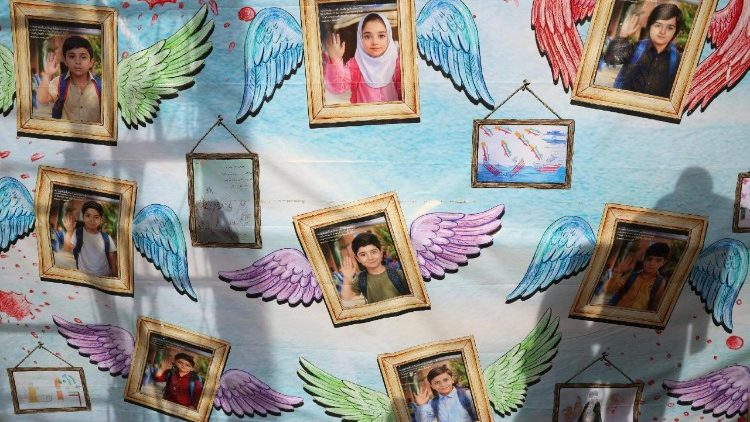
More than 760 schools have been damaged or destroyed, including the deadly attack on the Shajareh Tayyebeh school, which killed 168 girls and boys. These attacks are in defiance of Article 77 of the Additional Protocol I (1977) to the Geneva Conventions, which states “children shall be the object of special respect and shall be protected against any form of indecent assault.”
Moreover, the strikes come despite international humanitarian law strictly prohibiting attacks on civilian infrastructure essential to children’s survival—that is, damaging water and sanitation networks. Destroying these systems puts children at risk of disease, and loss of power means threatening support for newborns and vulnerable children.
A future for every individual child
The UNICEF statement reaffirms its commitment to further extending the organization’s support, “in line with its country programme of cooperation”. That is, it is dedicated to ensuring health and nutrition, education, child protection, water, sanitation and hygiene (WASH), emergency response, and social protection to people in affected areas.
Its mission is to guarantee that “children and families receive the care, protection, and support they need to recover and rebuild.”
For, as UNICEF reminds the world, “every child deserves peace. Every child deserves a future.”
Thank you for reading our article. You can keep up-to-date by subscribing to our daily newsletter. Just click here.


