
Climate change causing the worsening of deadly floods in Africa
By Pierfrancesco Loreto
The recent widespread inundations ravaging parts of southern Africa have been exacerbated by human-induced climate change, according to a new study.
In examining the cause of these events, researchers at the World Weather Attribution found that a year's worth of rain fell in Mozambique, Eswatini, northeastern South Africa and Zimbabwe in just 10 days.
The flooding was the result of extremely heavy and incessant rain that began on December 26th and intensified from early January, with some areas recording more than 200 mm of rain in a single day.
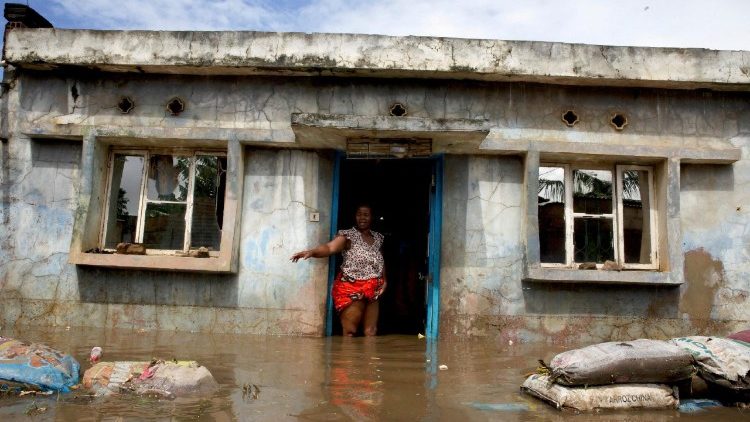
Extensive damage was caused to housing and infrastructure, with more than 100 people losing their lives and over 300,000 forced to leave their homes since last December.
In Mozambique, a large number of buildings were inundated. Roads and bridges were destroyed in South Africa and Zimbabwe.
Scientists from different parts of the world carried out the study to evaluate the effects of climate change on extreme weather events.
An event that occurs only every 50 years
According to their findings, the scale of the current situation is so rare that something similar happens only once every 50 years.
Izidine Pinto, co-author of the research and senior climate researcher at the Royal Netherlands Meteorological Institute, noted that the study could not determine with certainty how much climate change compounded the latest deluges.
However, the scientist noted that human-induced climate change is the only plausible explanation for a 40% increase in rainfall intensity.
As a result, the anticipated intense period of abundant rainfall has instead led to massive floods, bringing local communities to their knees.
While torrential rain and flooding are common in this region, the magnitude of the recent events has raised concern among scientists.
In addition, the presence of nine international rivers flowing through Mozambique deepened the crisis in downstream areas.
To better understand the impact of climate change across African regions, the researchers have emphasised the need to develop climate models in Africa.
"All climate models that we have that are freely available are developed outside of Africa”, said Friederike Otto, professor of climate science at the Centre for Environmental Policy at Imperial College in London.
Thus, the majority of models had difficulty determining precisely how much the recent flooding was caused by climate change.
Thank you for reading our article. You can keep up-to-date by subscribing to our daily newsletter. Just click here.


