Pope’s Africa visit an opportunity to share ‘joys and sorrows’ of local Catholics
By Joseph Tulloch
Pope Leo XIV has now returned to Rome following a four-country, 11-day Apostolic Journey across Africa. The trip, he told journalists, was an opportunity to “encourage and accompany” African Catholics, urging them to deepen their faith whilst also appealing to those in power to respect their rights and dignity.
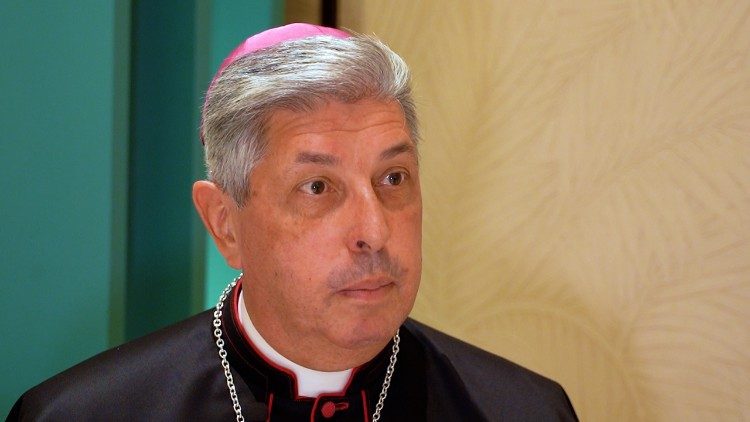
For parts of the journey, the Pope was accompanied by Archbishop José Bettencourt, the Apostolic Nuncio to Cameroon and Equatorial Guinea. In an interview with Vatican News, the Archbishop said that the Pope’s visit had sent a “very strong” message of peace, and had been an opportunity to deepen bonds between local Catholics and the universal Church.
The following transcript has been lightly edited for style and brevity.
Q: You are the Apostolic Nuncio to two of the countries the Pope has just visited – Cameroon and Equatorial Guinea. Let’s start with the first of them. How did the visit to Cameroon go?
Cameroon is an immense country. It goes from the Atlantic to the Sahara, and there are 26 dioceses and some 300 religious congregations, from the Trappists to the most socially active. During the Holy Father's visit, he was able to touch upon various important aspects, from his celebrations of the Eucharist to his visit to the war-torn area of Bamenda.
Pope Leo’s message of peace was very, very strong. I believe that will continue to be an iconic image of this first African visit. It was an echo of his first words on the balcony of St. Peter’s Basilica [‘Peace be with you’], which he was able to come to Africa and repeat and in many ways.
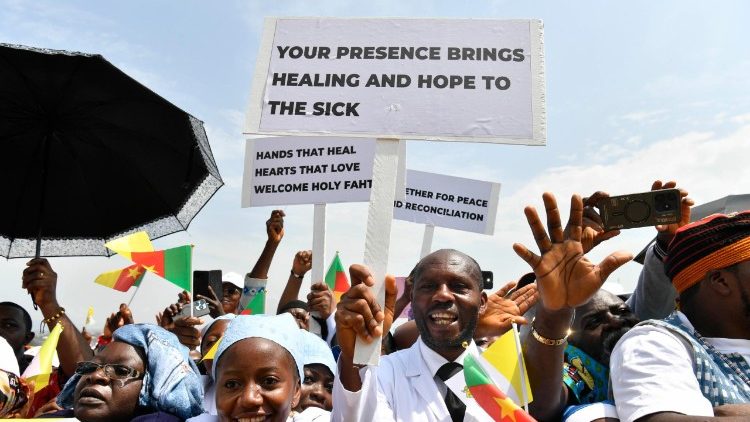
The Pope walked on the streets of Bamenda, and that was a very powerful symbol. In Douala, he was able to visit a Catholic hospital that welcomes all those in need. In Yaoundé, apart from his visits to government institutions, he also was able to visit to an orphanage, which is located in the centre of a Muslim neighbourhood where Catholics and Muslims cohabit. So he was able to touch on many themes, many realities, and I think he left us a lot to process in the future.
Q: How about the visit to Equatorial Guinea - what stands out to you?
The Pope was able to visit Bata prison, humanitarian gestures were made by the authorities, and the celebrations were euphoric. People were very faith-filled and looking forward to this visit, really with all of their hearts.
Q: We heard, while the Pope was in Cameroon and Equatorial Guinea, some very moving speeches about the need to promote economic equality, respect rights, and also to give a future to the countries’ young people. Do you think those words can bear fruit?
The Holy Father preached the Gospel, he preached the readings of the day, and he applied them to reality. The Church is never silent. Every time we celebrate the Eucharist, we listen to the Word of God, we preach the Word of God. This is a continuation of the Church’s efforts to promote progress and development, and we feel that it will lead to good results.
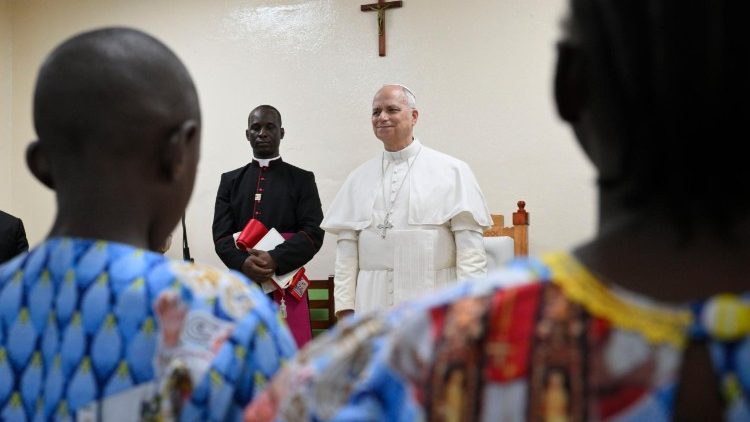
Q: While he was in Yaoundé, the Pope visited an orphanage. In Malabo, he visited a psychiatric hospital. There was a desire from the Pope, it seems, to be close to people in these countries who are going through difficult situations.
Yes, the Holy Father really did want to visit some of the social aspects of the Church. The Church is very much involved in health care, in education, and in social outreach, and the Holy Father wanted the Gospel to be applied on the ground, and also to encourage those who work in those fields.
His visit demonstrated everything the Church is doing in these countries, and gave encouragement and encouragement and inspiration to continue engagement in society. For this, we are very grateful to the Holy Father.
Q: Following on from the Apostolic Journey to Cameroon and Equatorial Guinea, what will be the priorities for the diplomatic relations between those two countries and the Holy See? What issues are you looking forward to working together on?
Both of these countries have signed framework agreements with the Holy See. These framework agreements regard the juridical framework of the Church and its institutions, as well as encouraging cooperation in health care and education and social outreach. These are all areas in which we will continue to develop our cooperation.
We have only had 10 years, basically, of these agreements. It is a process, and it is a process whereby the Holy See works very diligently and very carefully at to support the local Church, and to support the religious orders, which really are very generous in what they do here. The Holy See is very close to the local Church in this way, and we hope to be able to make something happen. There have been very encouraging signs from the authorities in this regard.
Q: We’ve talked about the particular realities in Cameroon and Equatorial Guinea. This was a trip that touched four different countries in Africa, and I'm wondering if, because of that, it also took on a universal dimension …
When the Holy Father visited Algeria, Cameroon, Angola, and Equatorial Guinea, what you saw was different cultural realities, different situations. Visiting these four countries together really showed the universality within each one.
As the Holy Father came to the continent, he touched the joys and the sorrows of the body of Christ in this part of the world. At the same time, this Church placed before the universal Church a request for their prayers and their solidarity with the situation here. It was a very beautiful, meaningful experience, and one which has made us much closer as a Church.
I think the visit was a success, thanks to Divine Providence. To have the Holy Father in Africa within the first year of his pontificate was truly a grace and a blessing, and the fruits of this visit will certainly be forthcoming. With the continued work of the Church and all the institutions involved, we will see a lot of good coming out of it.
Thank you for reading our article. You can keep up-to-date by subscribing to our daily newsletter. Just click here.