
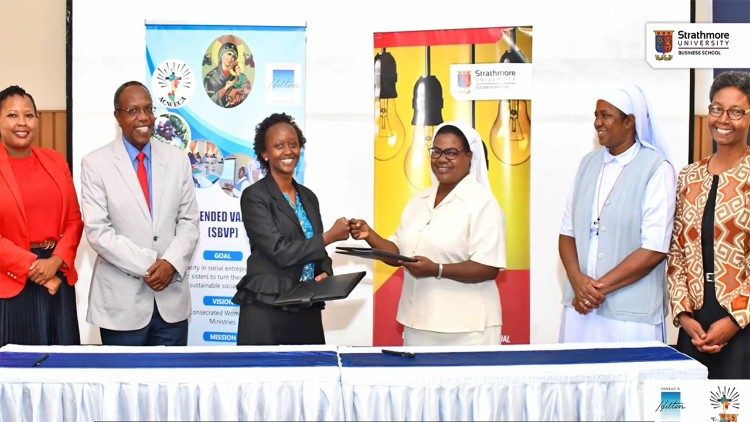
‘Sisters Blended Value Project’: Transforming religious women ministries in Africa
By Sr. Christine Masivo, CPS
The Sisters Blended Value Project was launched to help religious sisters rethink sustainability and strengthen their institutions.
Dr. Angela Ndunge of Strathmore University Business School, who heads the project, explains that it has been running for six years and is supported by the Conrad N. Hilton Foundation in association with ACWECA (Association of Consecrated Women in Eastern and Central Africa). It began in Kenya, Uganda, Tanzania, and Zambia and has now expanded to Malawi.
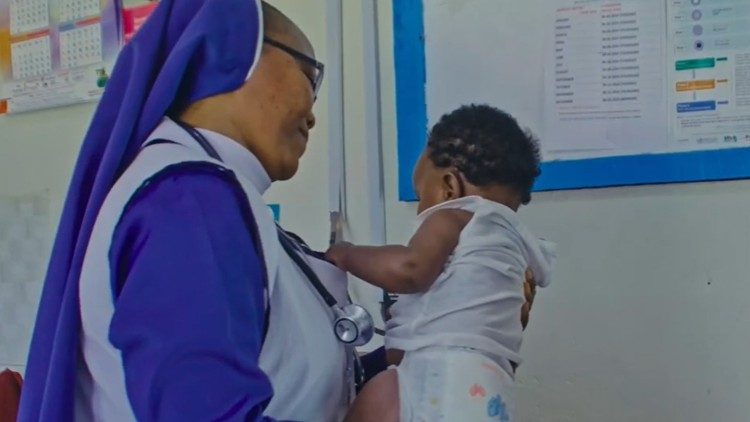
Speaking to Vatican News, Dr. Ndunge said that “religious women have been a pillar of hope for many, serving in education, health care and social outreach, often among marginalized communities.” The COVID-19 pandemic was devastating and exposed the vulnerability of many of their ministries.
The project is mainly geared towards supporting sisters in transforming their social ministries into sustainable social enterprises.
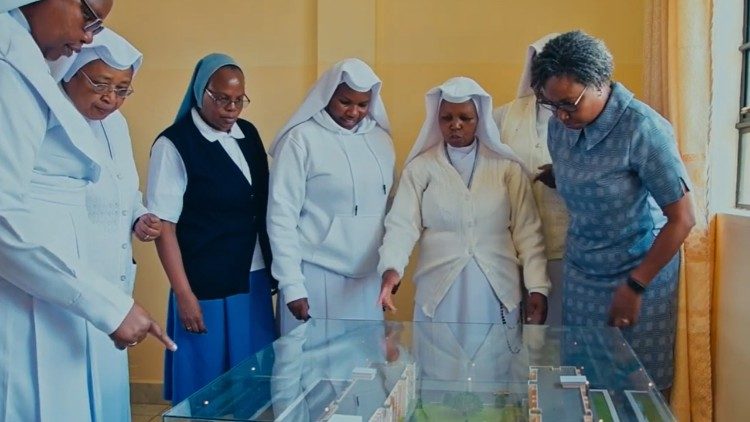
Wake-up call
The COVID-19 pandemic became a turning point for religious congregations: those who relied on schools and hospitals were forced to close or reduce operations.
“Many of the sisters during this period were affected by the shortage of funding,” Dr. Ndunge explained. “It affected the vulnerable communities that the sisters serve, and highlighted the need for long-term sustainability and better preparedness for future crises."
This raised important questions about the sustainability of these different initiatives and social ministries.
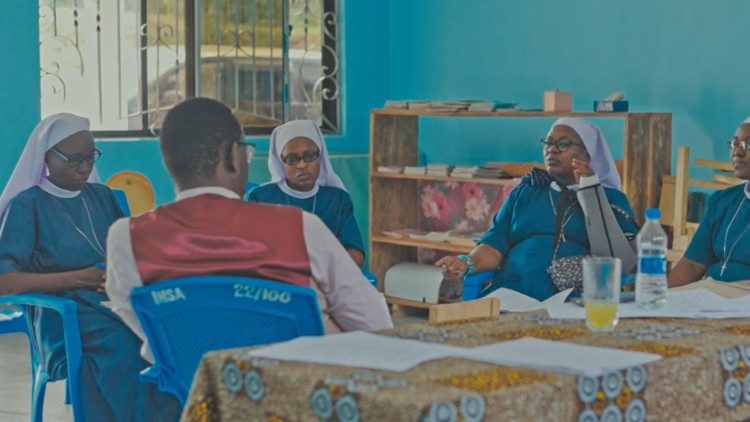
Capacity building equips sisters with skills
The project is aimed at capacity building. Dr. Ndunge noted that many sisters are called to take on management roles, yet “they do not always have the required technical skills or a long-term strategic vision for their ministries.”
Through training, the sisters are learning budgeting, record keeping, leadership and strategic planning. These skills help them move from traditional charity models towards social entrepreneurship.
“In the past, sisters have been focused on a charity model,” she explained. “We are helping them to think about social entrepreneurship, generating forms of income that are sufficient to continuously support these social ministries.”
Access to financing and markets
“Sisters have faced very serious challenges in accessing funding,” Dr. Ndunge said. She noted that this has created fear and hesitation among many congregations, as they struggle to secure financial support and, in some cases, have been taken advantage of by lenders.
This project is helping sisters identify ethical and innovative financing options while also improving their financial literacy. The sisters are also being supported in accessing markets for their services and products.
Many congregations run farms, schools and health facilities that lack strategies to maximize their economic potential.
Success story
The Sisters Blended Value Project has significantly transformed a tailoring ministry run by sisters in Kitui, Kenya.
Originally producing school uniforms as a small income-generating activity, the sisters received training in quality improvement, business management, and strategic growth, which strengthened their operations and competitiveness. As a result, they were awarded a tender from a university to supply graduation gowns after meeting higher quality standards.
This achievement marked a turning point, transforming their internal project into a competitive social enterprise.
Beyond increasing financial sustainability, the success boosted their confidence to engage with larger markets, demonstrating how targeted capacity building can help sisters expand their ministries while staying true to their mission.
Collaboration and motivation
Dr. Ndunge emphasized that sisters are encouraged to collaborate across congregations, supporting one another through shared learning and by using each other’s services, such as buying farm produce or accessing healthcare from sister-run institutions.
This cooperation strengthens both their mission and long-term sustainability. Despite challenges such as distance, limited internet and unreliable electricity, many sisters remain eager to learn and embrace new approaches to sustainability while empowering their communities.
Future and growing mission
Dr. Ndunge said they hope to see the project continue strengthening sisters’ ministries so that they can be better equipped to evangelize, emphasizing, "They should always remember their vocation and charism, no matter how small or great what they do may be.”
She also stressed the importance of balancing mission with personal well-being and caring for basic needs, while expressing hope for greater support from partners.
The Sisters Blended Value Project is renewing confidence and building skills, networks, and leadership capacity to ensure sustainable service and evangelization.
Thank you for reading our article. You can keep up-to-date by subscribing to our daily newsletter. Just click here.


